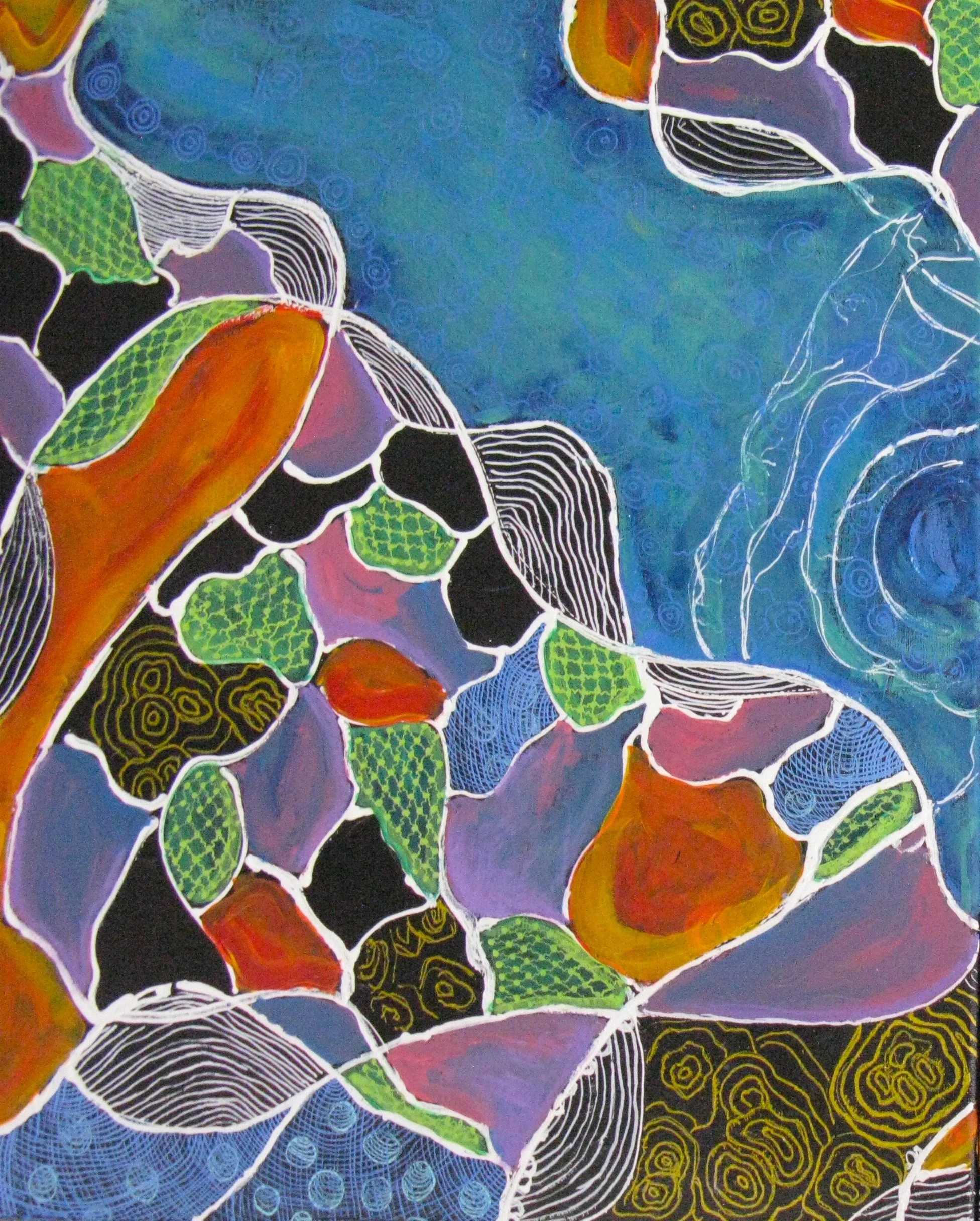
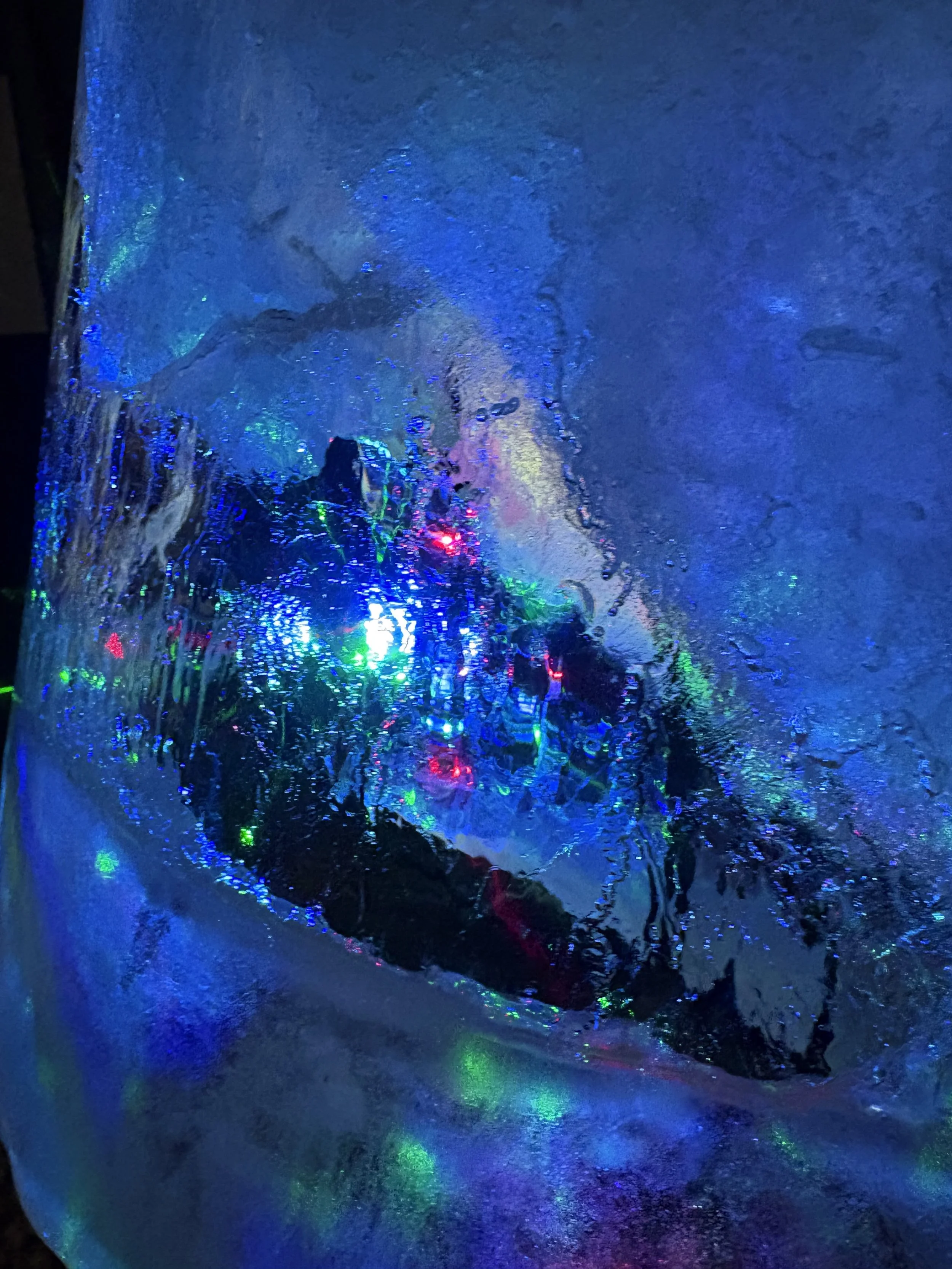
Icebound reflection by Busi Vasconcellos Neill (2025)
The Thread of Life by Rosanah Kaio (2025)
About Wota i Toktok
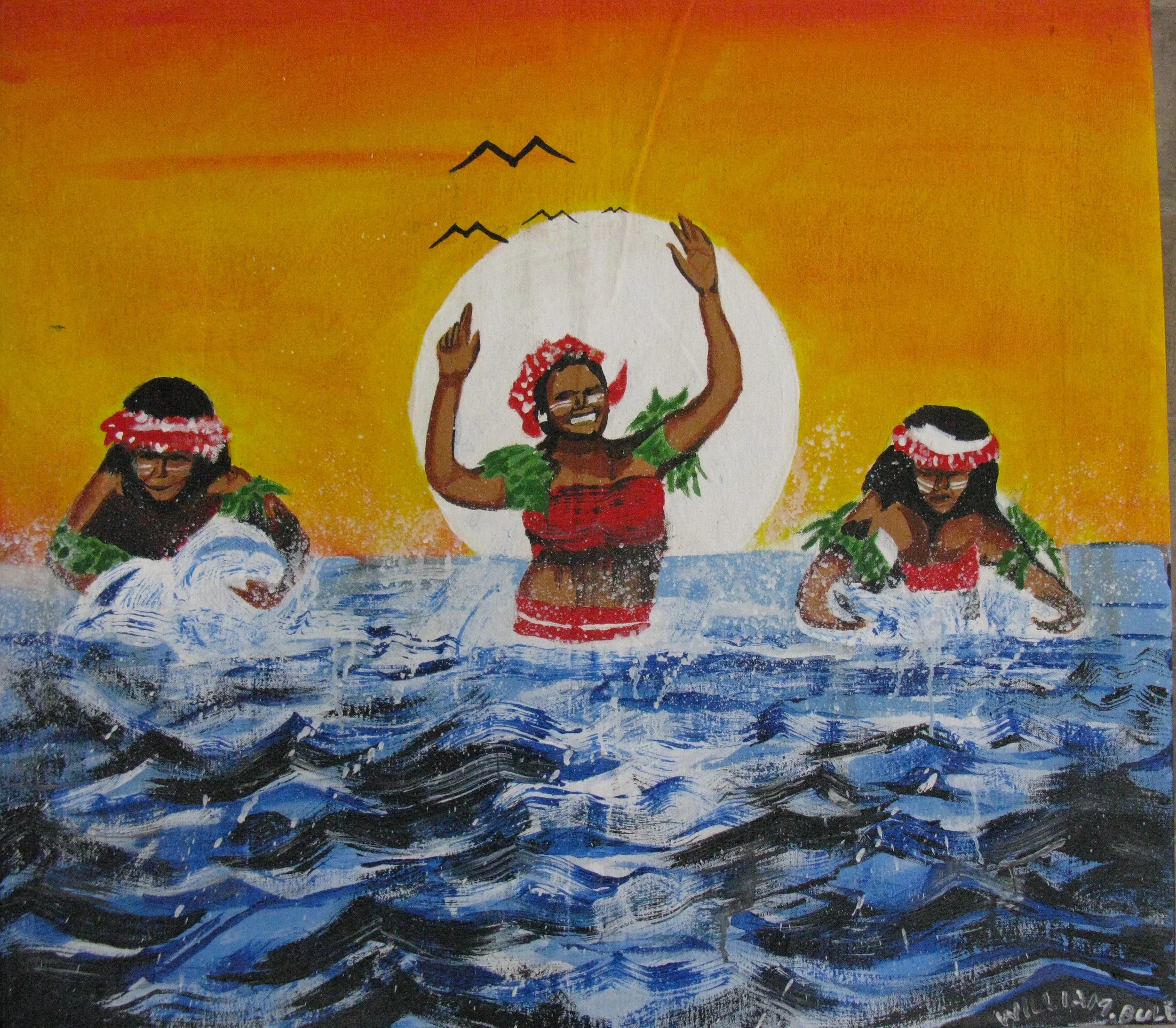
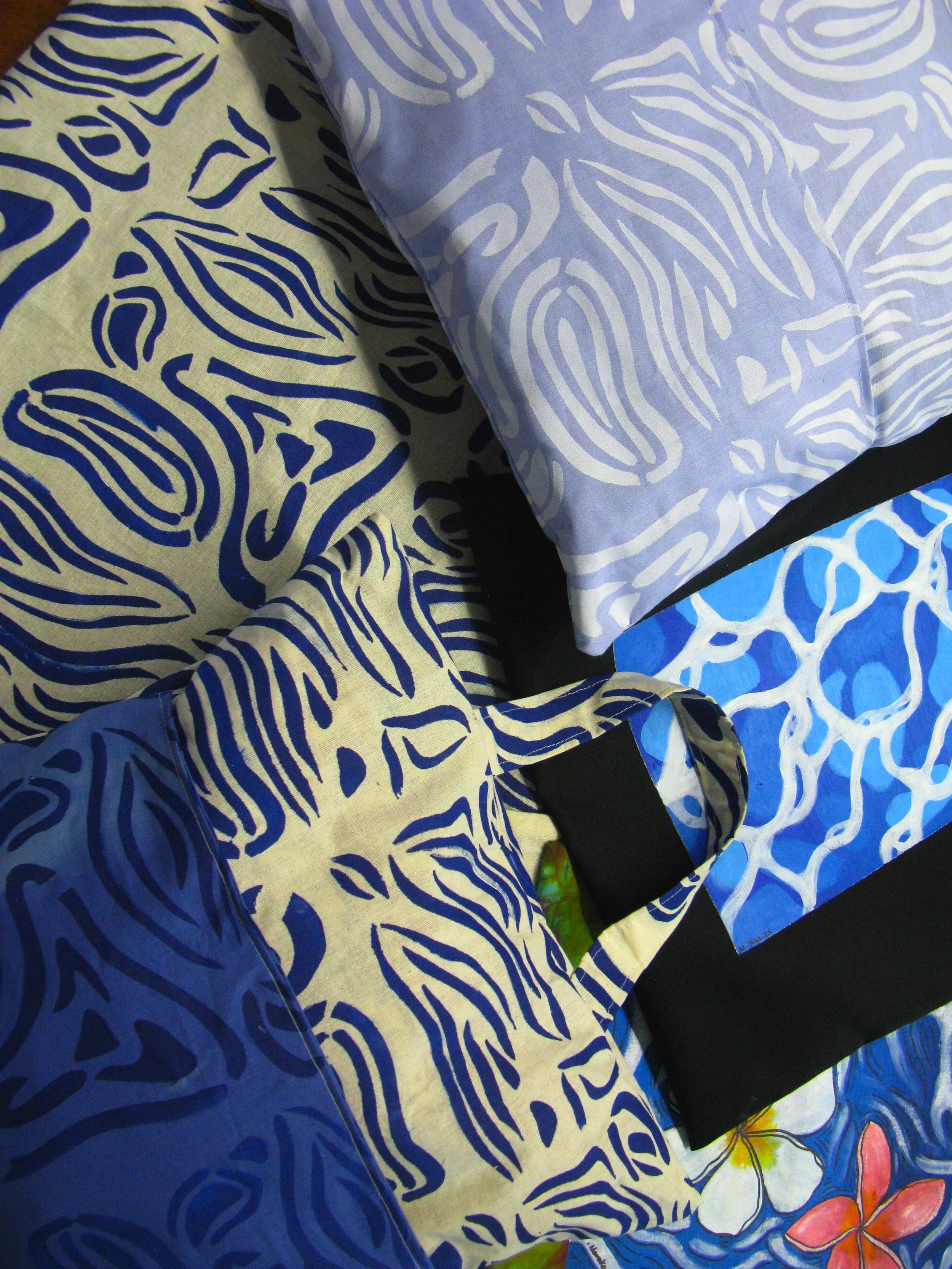
Wota i Toktok was a groundbreaking art exhibition that brought together 15 talented Vanuatu-based artists to explore the profound connections between water, culture, inclusion, and storytelling. Through diverse mediums including paintings, sculptures, photography, and videography, each artist transformed personal experiences and cultural narratives into powerful works that illuminated water's role as a resource, cultural symbol, teacher, and life force.
In Vanuatu, water is more than a resource - it flows through gardens, carries canoes, washes over islands, and supports communities to adapt and be resilient. Yet many communities face significant challenges in accessing safe, clean water and sanitation. This exhibition invited artists and visitors to reflect on their own relationships with water and the stories it holds.
Foundations
Wota i Toktok was grounded in ‘hydrosocial theory’, which recognises that water is not only a natural resource but also a deeply social and cultural one. This perspective explores how societies organise around water, develop values and knowledge about it, and establish practices and governance systems related to it. Hydrosocial theory challenges the notion that humans and water are separate entities, instead examining how they intimately shape and influence each other through physical, cultural, and spiritual dimensions (Boelens et al., 2016; Flaminio et al., 2022; Zwarteveen & Boelens, 2017).
The exhibition engaged with key questions about power and access: Who has control over water? Who carries it? How do historic, cultural, and political factors shape water access and safety? What are the kastom stories related to water that we can learn from and share? By centering the voices and artistic expressions of Vanuatu-based artists, Wota i Toktok embraced a hydrosocial approach that values context-specific, non-scientific forms of knowledge alongside technical understanding. The artists' kastom narratives and lived experiences illuminated the "deep intertwining of water's material and spiritual dimensions," (Linton and Budds, 2014, p.174) revealing how water is experienced and embodied both physically and culturally.
This exhibition was an act of solidarity and strategic alliance, bringing together artists, researchers, and civil society organisations to contest dominant narratives about water and sanitation, and to center Indigenous and local perspectives that are often marginalised in conventional water governance discussions.
Partners
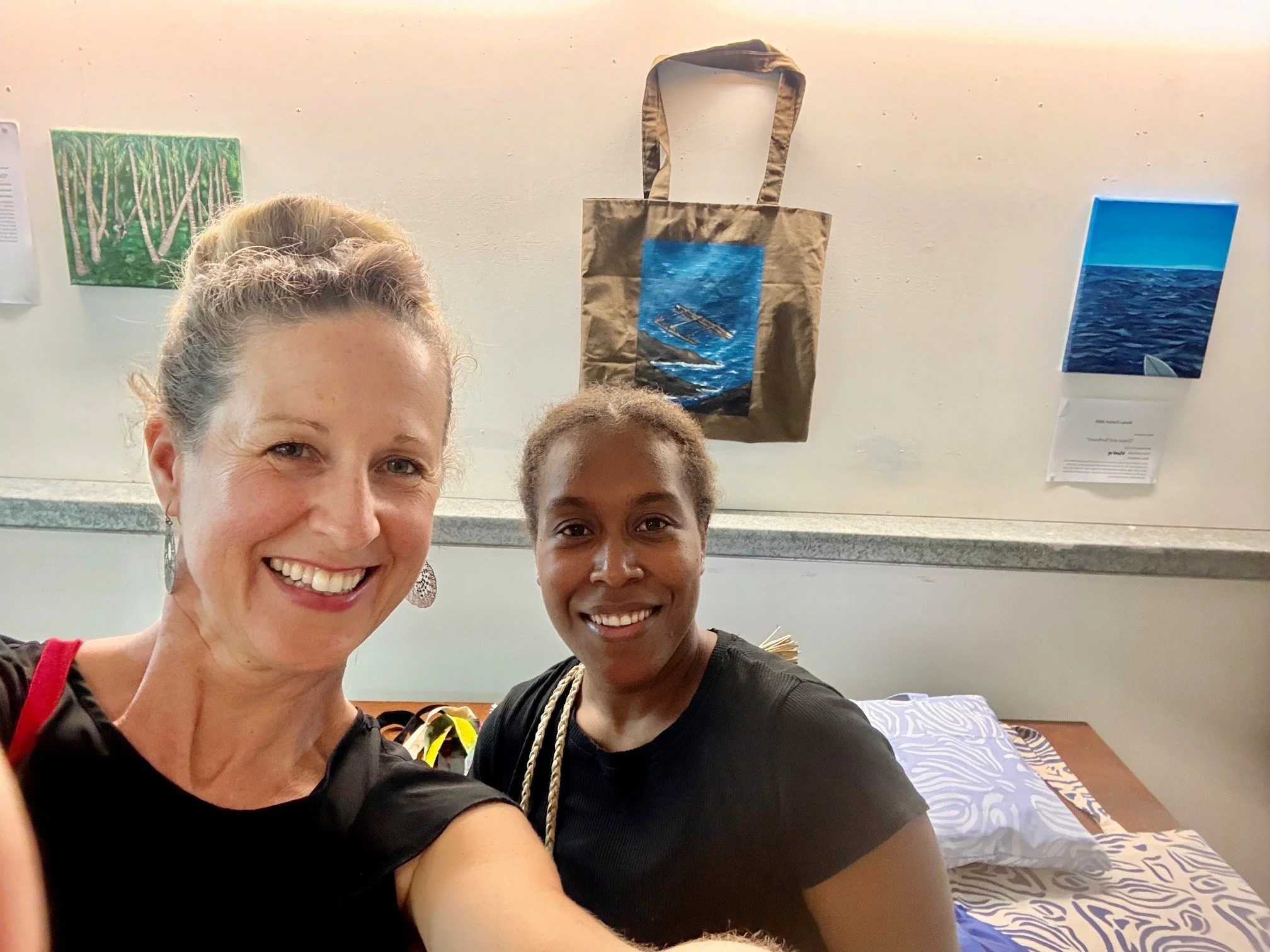
Wota i Toktok emerged from a collaborative partnership between Sista Vanuatu, the University of Technology Sydney (UTS), and the Australian Government’s Water for Women Fund. In July 2025, the participating artists first took part in a creative workshop exploring water, sanitation, and hygiene (WASH) issues in their communities (facilitated by Melita Grant and Carole Réocreux). They transformed their personal stories, kastom narratives, and lived experiences into artworks that celebrated water while addressing questions about water safety, access to sanitation, and how water shapes daily life, culture, gender norms, and community resilience.
The exhibition was officially launched on September 27, 2025, at Fondation Suzanne Bastien, with a symbolic sand drawing by artist Edgar Hinge representing the life-giving and sustaining power of water flowing through every aspect of Vanuatu's communities.
Exhibition
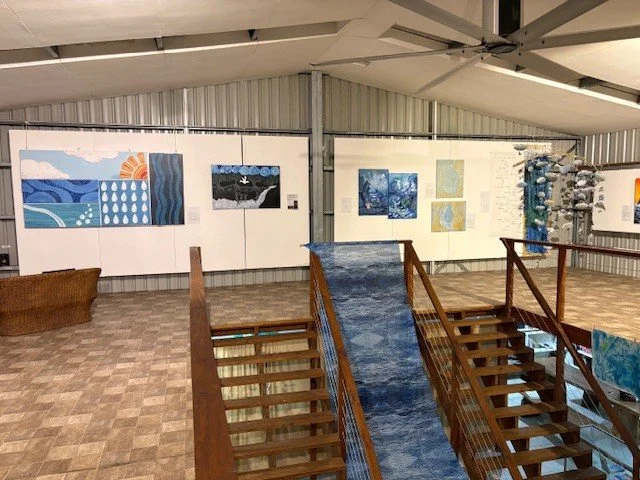
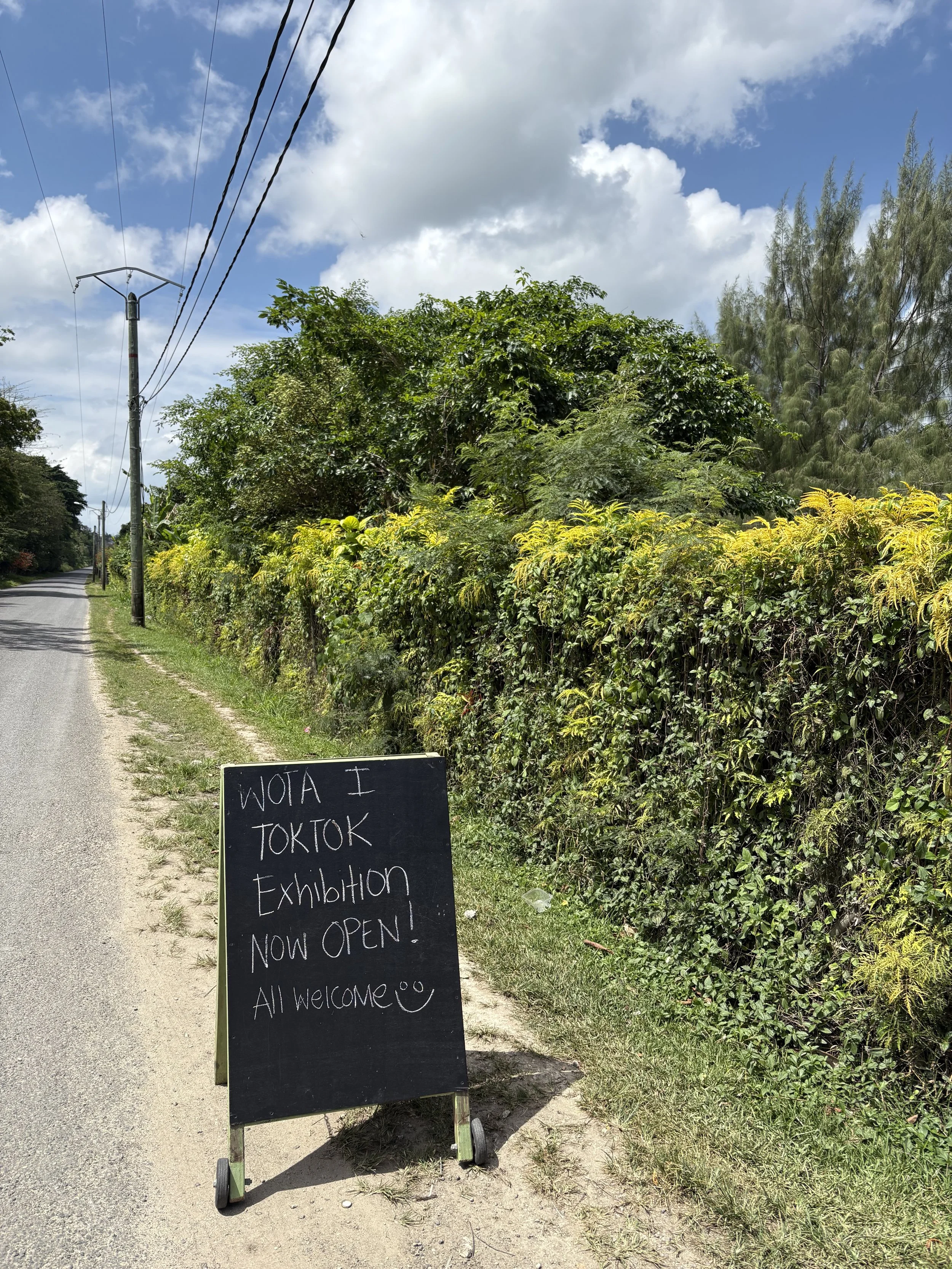
The Exhibition was held at the Fondation Suzanne Bastien Gallery from 27 September to 21 November 2025. The exhibition showcased diverse perspectives and invited visitors to look closely, ask questions, and reflect on their own stories and connections with water.
Institute for Sustainable Futures (UTS)
-
The Institute for Sustainable Futures (ISF) works to create a world that is socially, ecologically and economically just and safe, where everyone has the resources and skills they need to flourish. UTS-ISF brings together expertise from a diverse range of disciplines to deliver practical solutions for our partners, and to empower our students to effect positive change in the years to come.
https://www.uts.edu.au/research/centres/isf/our-research -
Water for Women supported improved health, gender equality and well-being in Asian and Pacific communities through climate-resilient and socially inclusive water, sanitation and hygiene (WASH) projects and research in 16 countries delivered from late 2017 to June 2025 with delivery taking place from 2018 to 2024. https://www.waterforwomenfund.org/en/index.aspx
Sista
-
When Sista was established in 2016, the main purpose was to create a space for Ni-Vanuatu women to connect, share and uplift each other. We began our journey as an online magazine and over the years evolved into a women’s rights organisation driven by feminist values.
Our vision is simple – we want to live in a world where women and girls are able to enjoy their rights and participate fully in decisions that affect their lives. https://www.sista.com.vu/
Suzanne Bastien Foundation Gallery
-
The property on which Fondation Suzanne Bastien Gallery is located in Vanuatu (Efate) was acquired in 1964 by Suzanne Bastien. Suzanne, who sadly passed away in 2013 always worked for the conservation of the seashore and the preservation of the numerous trees and plant species established here.
It was Suzanne’s wish for the gallery (which opened in 2013) to be built to house her considerable contemporary art collection and to be as space for continued nurturing of contemporary art for future generations. https://fondationsuzannebastien.com/
-
The Gallery hosted the Wota I Toktok Exhibition from 27 October - 21 November 2025. It was curated by Carole Réocreux across both the ground and mezanine levels and included sculpture, installations, textiles, paintings, photography and video. The opening night featured a live sand drawing by Edgar Hinge. https://fondationsuzannebastien.com/wota-exhibition/